
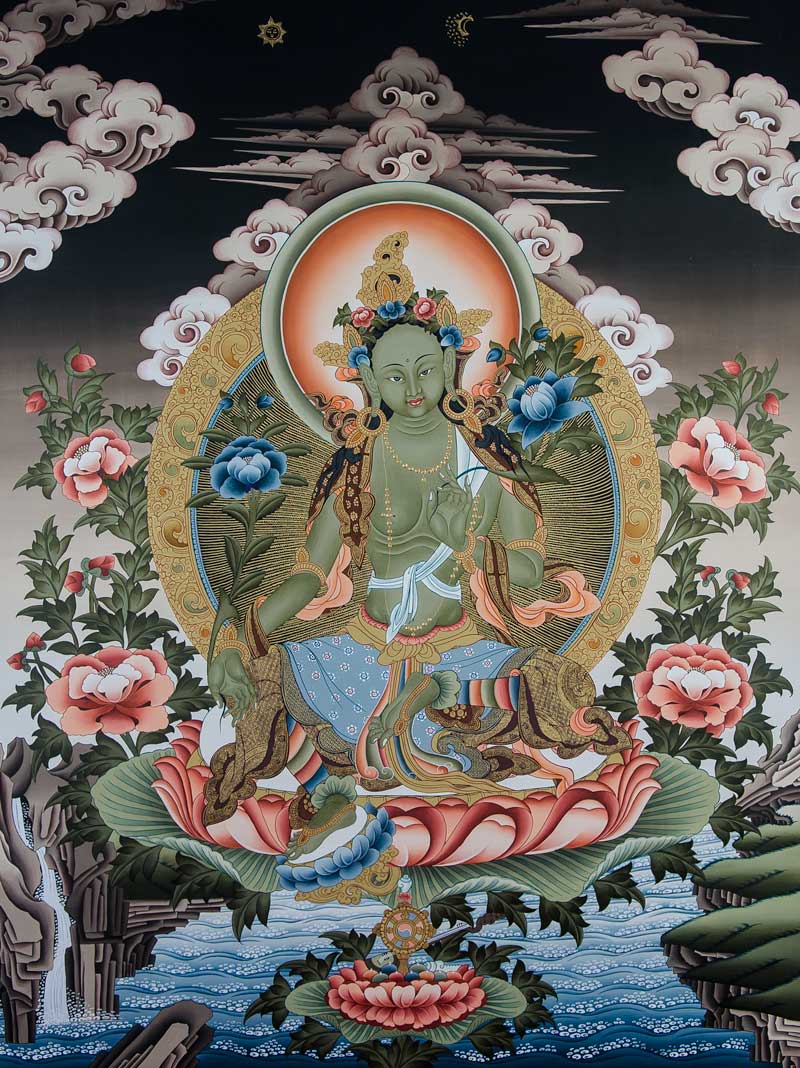
Printed thangka plays a crucial role in daily Buddhist technique, particularly for home practitioners who depend on clear, accurate photos for visualization.
In this overview, we describe why printed thangka is totally enough for everyday technique, how to use it properly, and why precision and clarity matter more than artistic rarity.
Utilizing a printed thangka does not decrease the credibility or effectiveness of your daily visualization– it provides consistency and accessibility for anybody wishing to establish a consistent technique.
Why Printed Thangka Works for Home Practice
A printed thangka supplies high clearness, revealing the appropriate forms, shades, and motions of the divine being or mandala.
For experts at home, uniformity is more important than originality– seeing the very same picture repeatedly supports memorization and visualization.
Clearness and Accuracy in Printed Thangka
Printed thangkas are created with specific interest to information, guaranteeing iconography is right.
This enables professionals to concentrate completely on visualization and meditation without interruption.
Despite the fact that these are not hand-painted originals, the accuracy of printed thangka pictures makes them completely appropriate for everyday usage.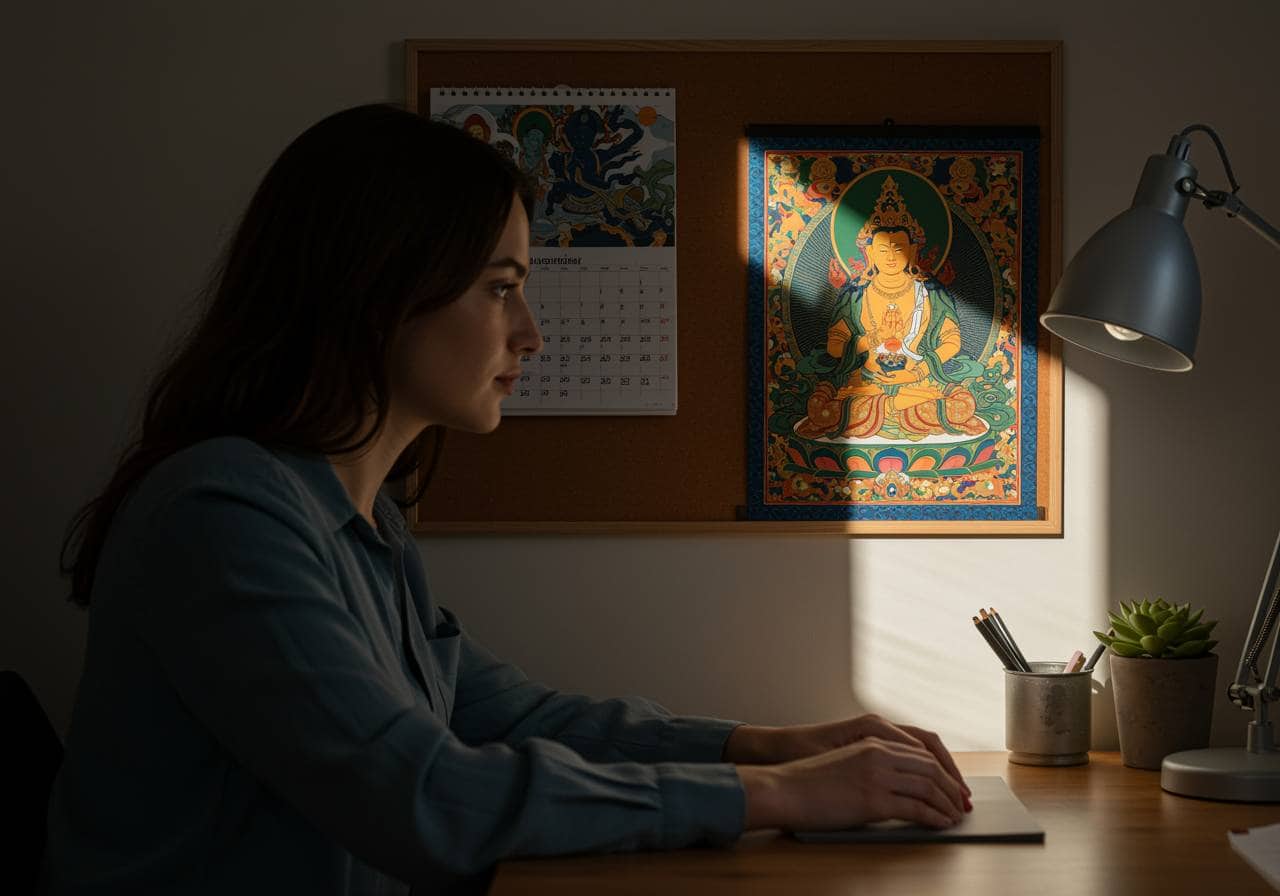
Printed Thangka vs Hand-Painted: Understanding the Difference
While hand-painted thangka can be beneficial as art, printed thangka is developed for ease of access and useful use.
For many specialists, the objective is right visualization and connection with the divine being, not possessing a collectible.
Printed thangka accomplishes the complete advantages of visualization while staying cost effective, enabling practitioners to participate in everyday technique without the requirement to pay for expensive, hand-painted originals.
Both published and hand-painted thangka can support spiritual method, however published versions make it less complicated to maintain a day-to-day routine.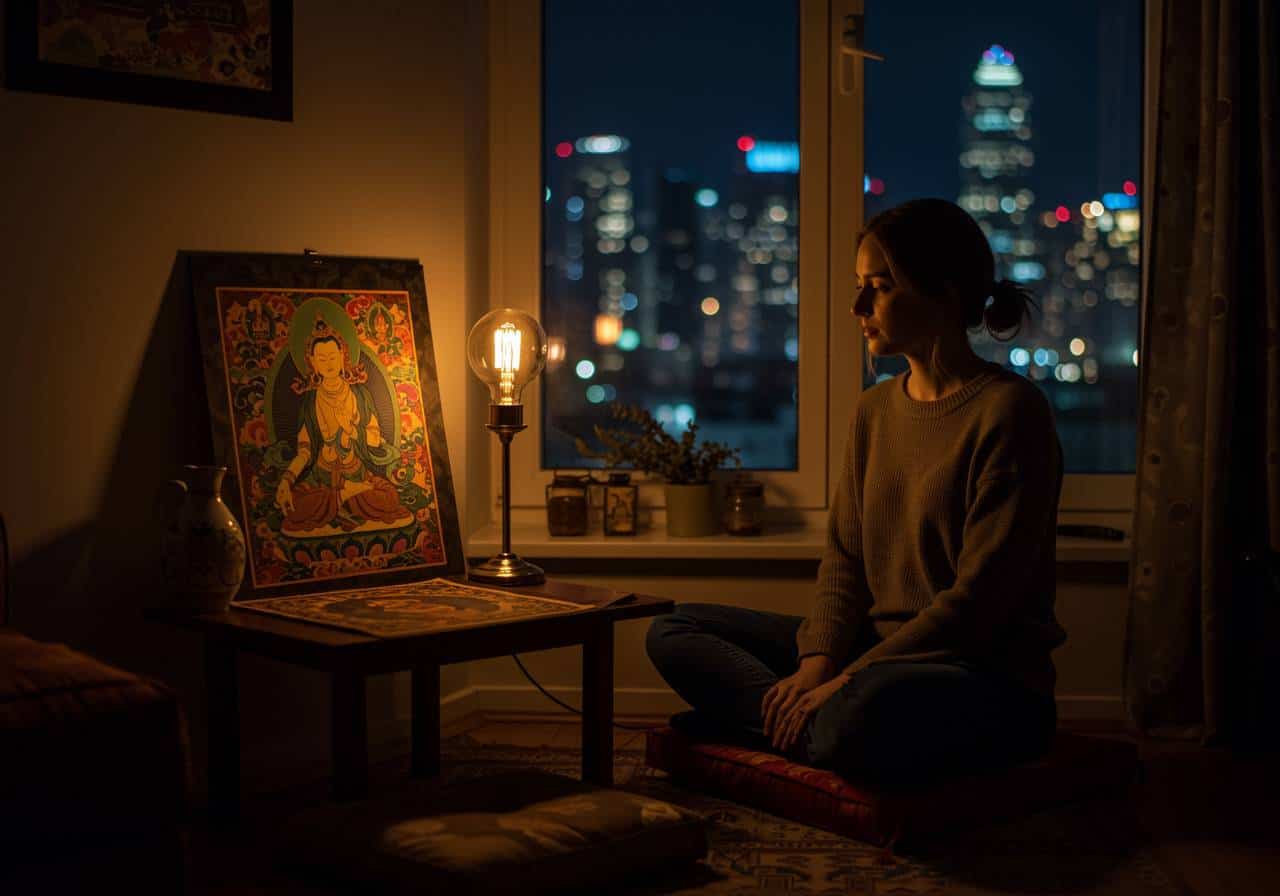
Just How to Use Printed Thangka in Daily Practice
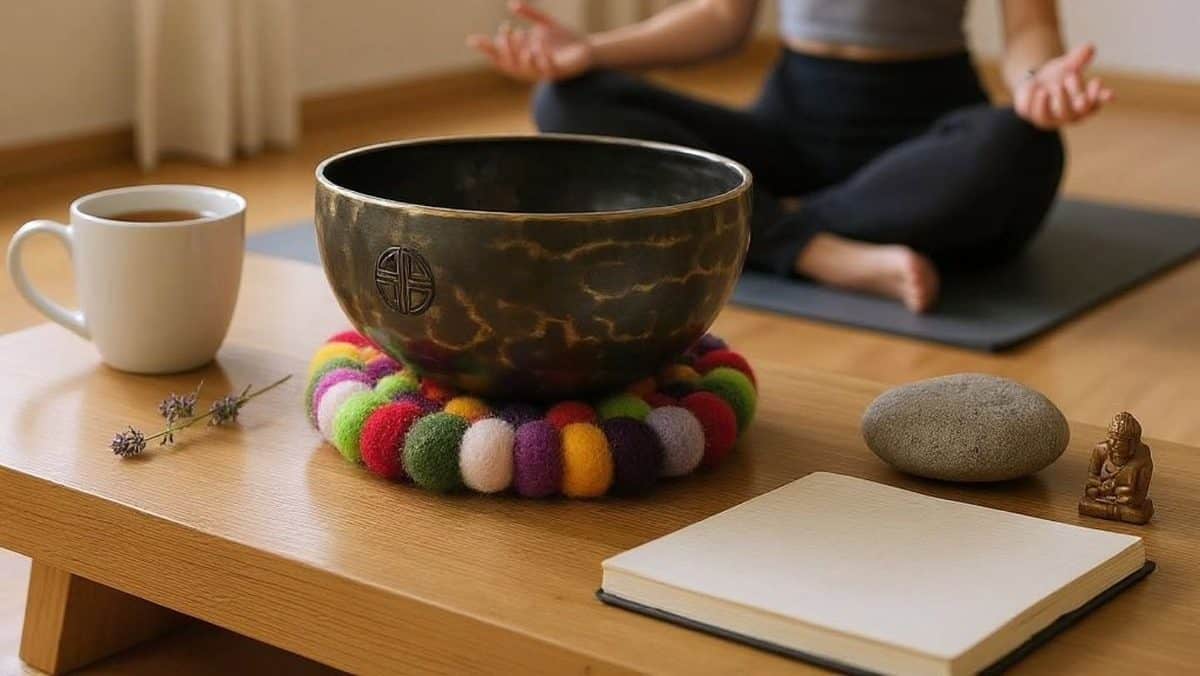
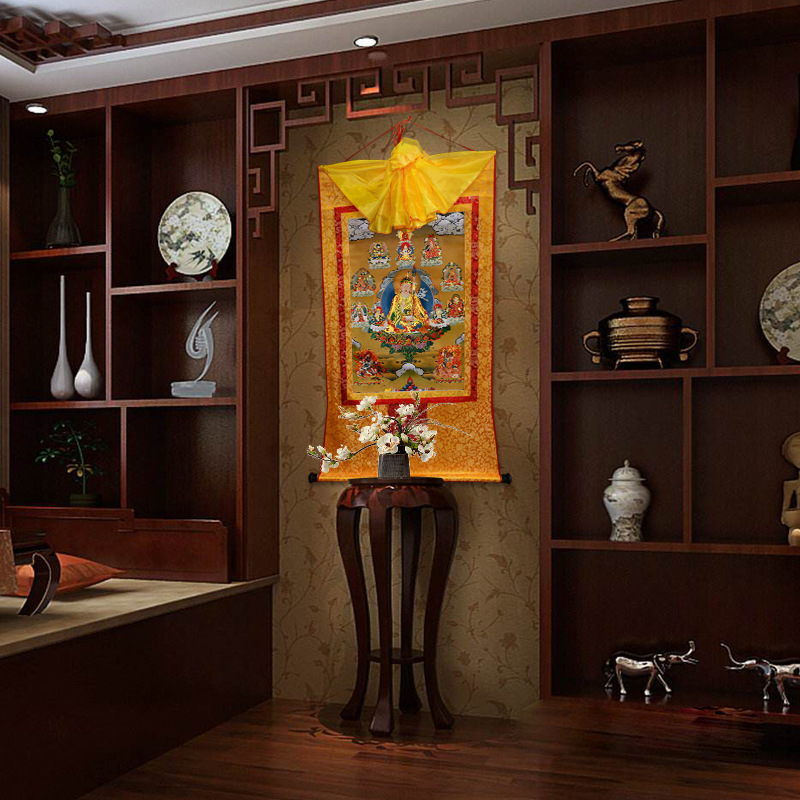
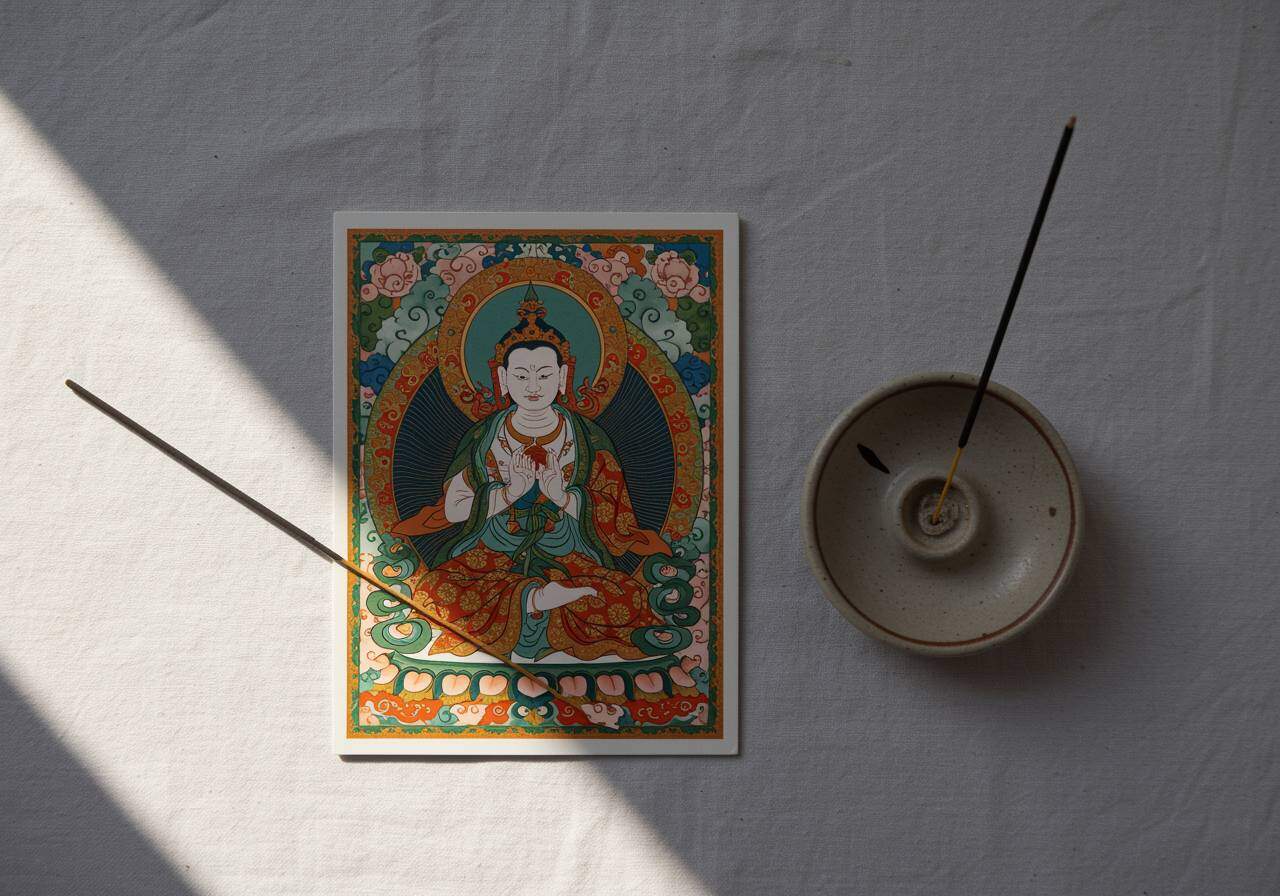
Place the thangka in a tidy, peaceful area for meditation.Use it as a visual centerpiece for reflection of the deity or mandala.Combine with incense or straightforward routine devices to develop consistent, conscious moments.