
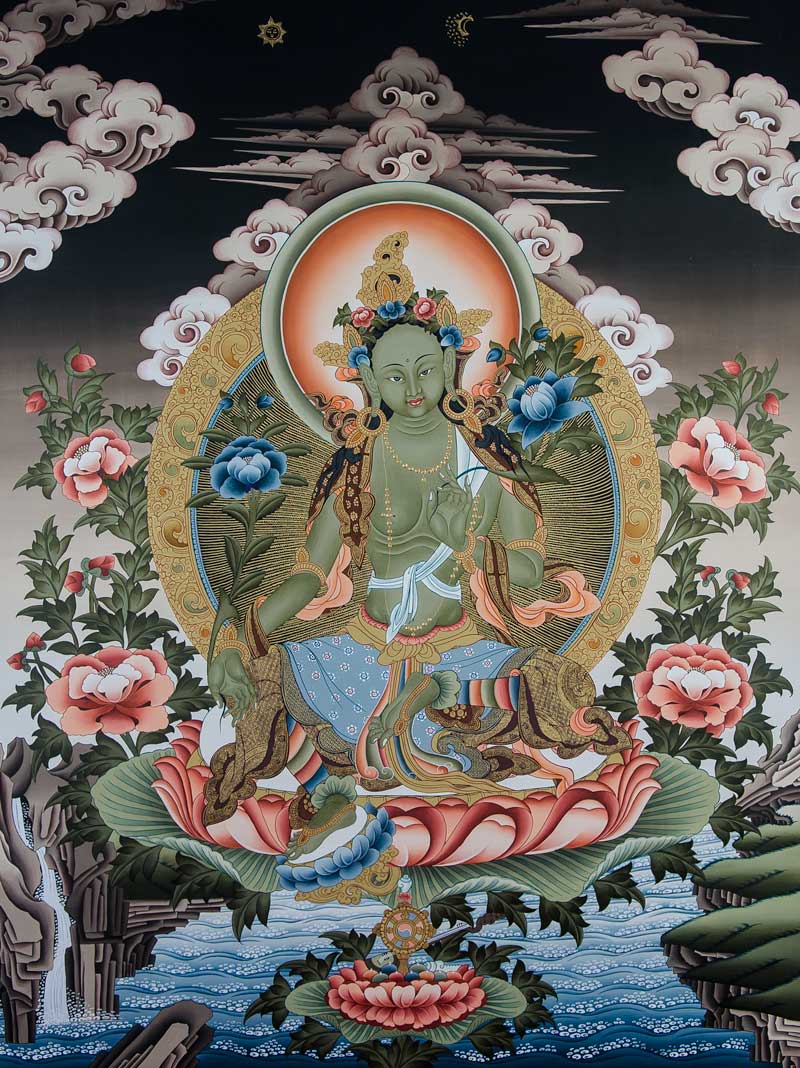
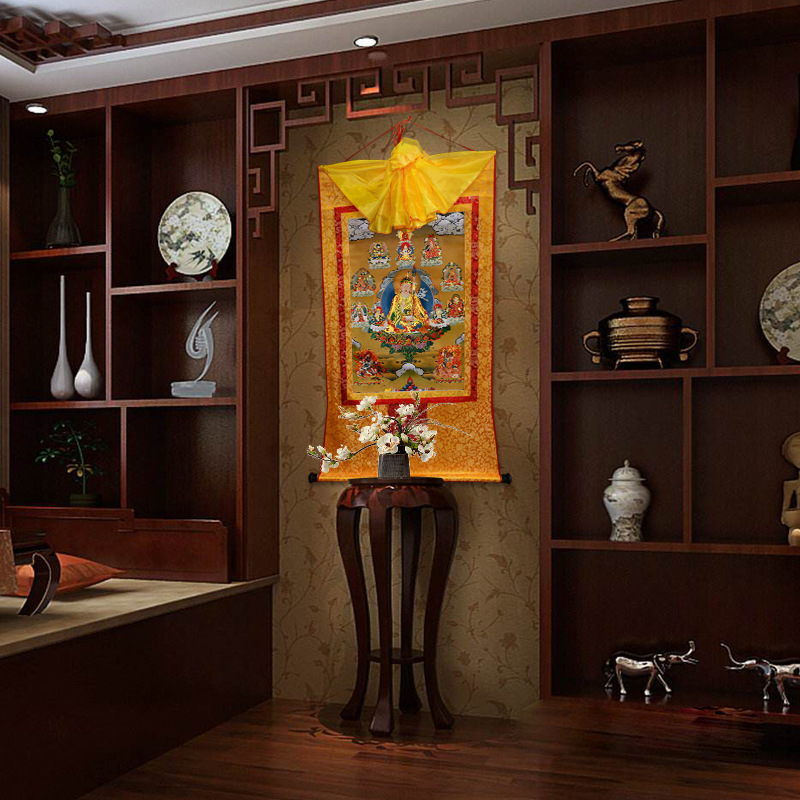
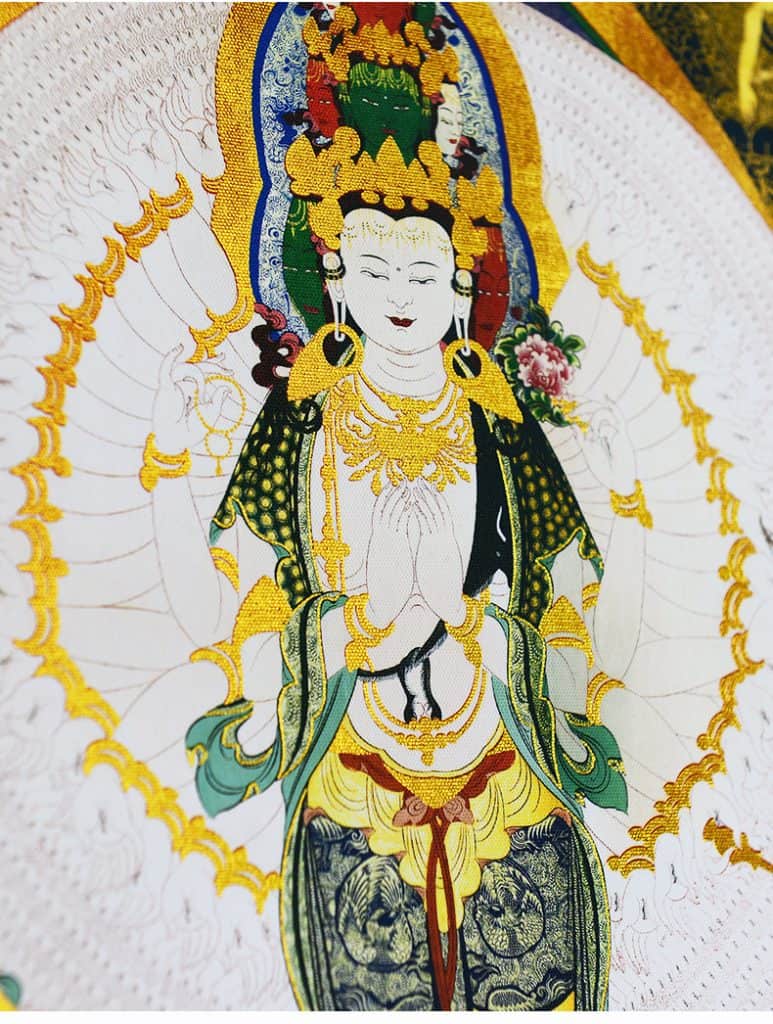
Avalokiteshvara thangka symbols share the spiritual qualities, gestures, and colors of the bodhisattva of empathy.
This overview clarifies the definition of crucial Avalokiteshvara thangka symbols, including mudras, shades, and iconographic information, to support appropriate visualization and day-to-day reflection technique.
Comprehending these symbols aids experts connect more deeply with the divine being while using thangka imagery respectfully and mindfully.
Mudras of Avalokiteshvara in Thangka
In thangka representations, Avalokiteshvara commonly displays specific mudras (hand motions) that share concern, protection, and true blessing.
- Dharmachakra Mudra: Represents the turning of the wheel of Dharma.
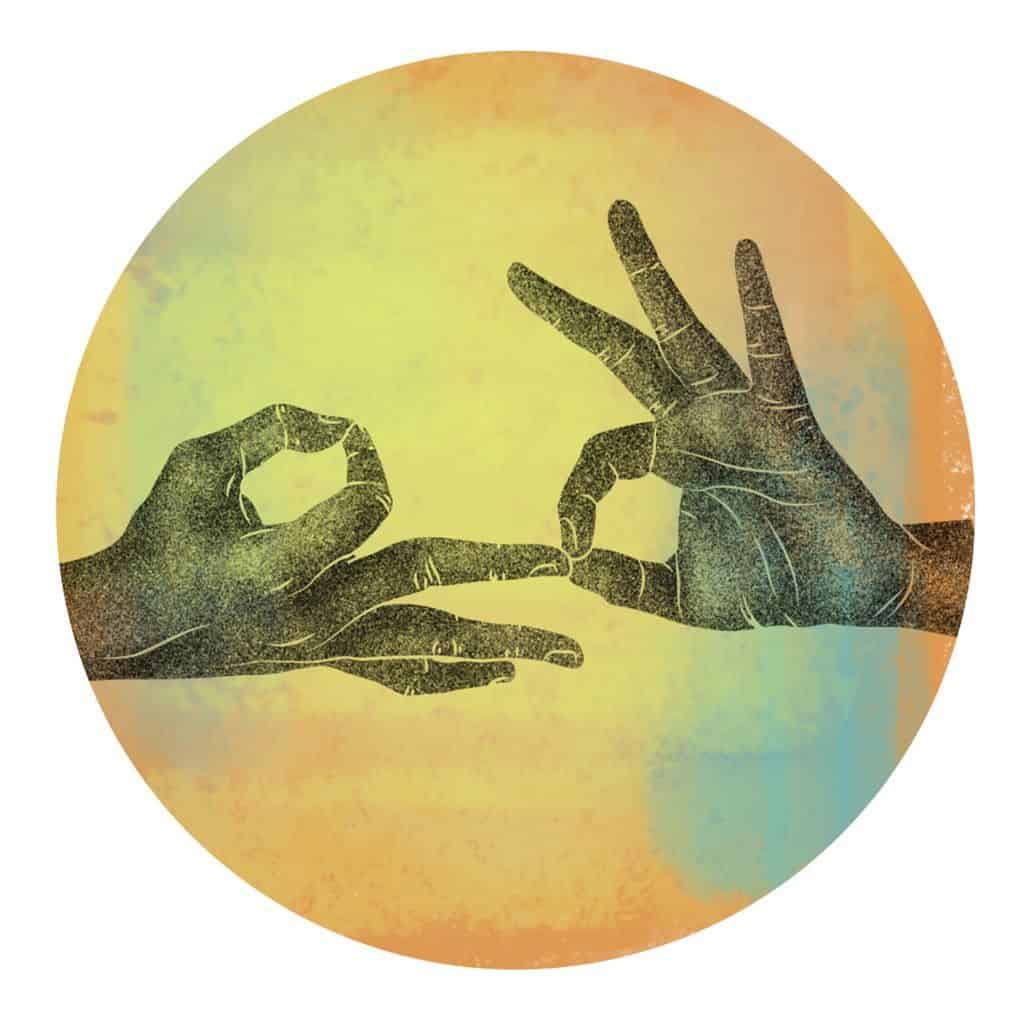
- Varada Mudra: Symbolizes generosity and providing of blessings.
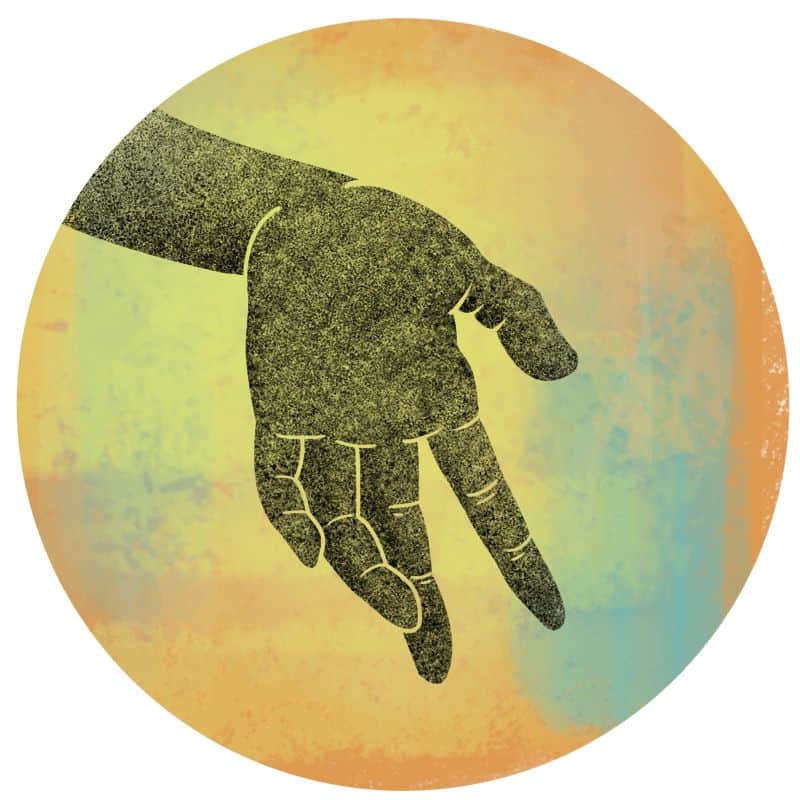
- Abhaya Mudra: Represents protection and valiancy.
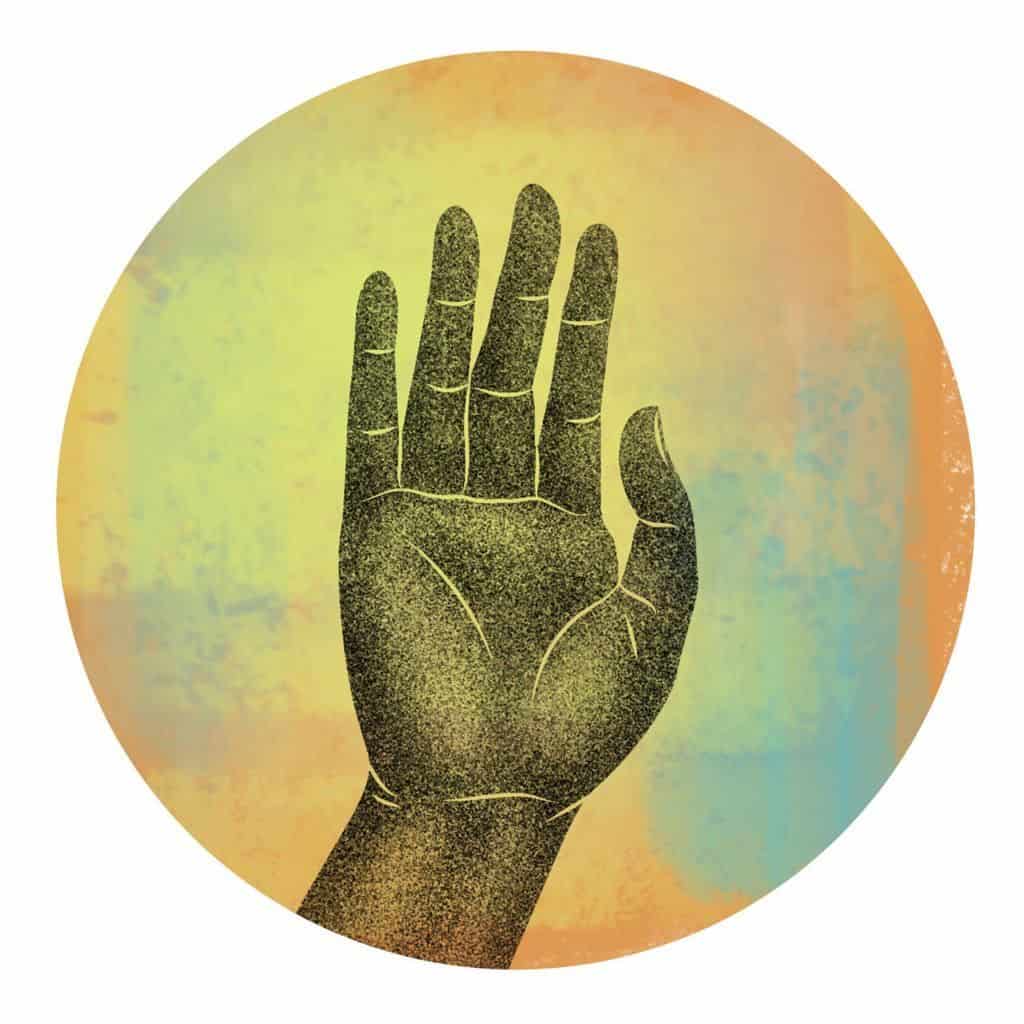
These motions are essential to recognize when using a thangka for visualization, guaranteeing that your technique straightens with conventional iconography.
Shades and Their Meanings
Shades in Avalokiteshvara thangka are abundant in symbolism:
White: Purity, peace, and compassion.Red: Energy, love, and vigor.Environment-friendly: Task and equilibrium.Blue: Transcendence and clearness.
Understanding the significance behind these shades improves your link throughout meditation and visualization.
Interior web link pointer: Link to Thangka Explained
to explore how thangka shades relate to divine being iconography.
Common Iconographic Signs
Numerous signs appear constantly in Avalokiteshvara thangka:
- Lotus Flower: Purity and spiritual awakening.
- Willow or Prayer Beads: Devotion and compassion method.
- Eyes on the Body: Omniscience and awareness.
Recognizing these icons aids professionals strengthen their visualization and reflection.